Tick-Borne Diseases in North Carolina: What You Need to Know to Stay Safe
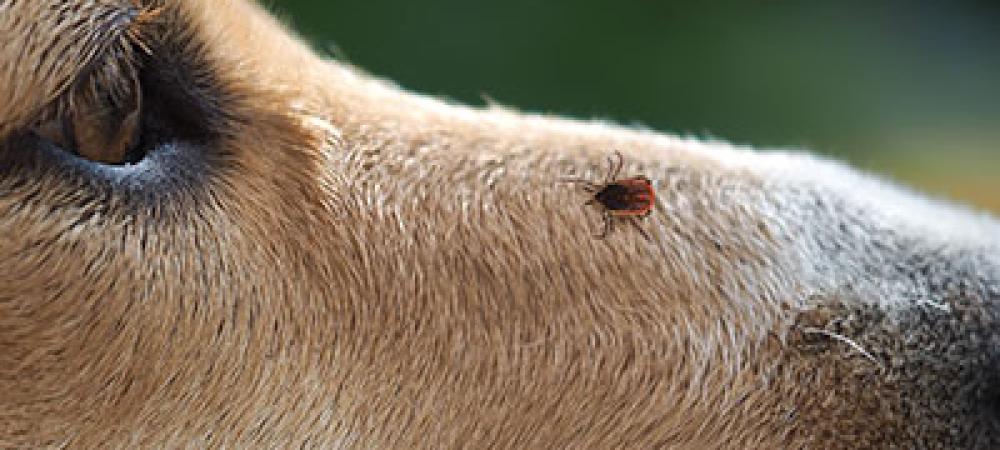
Ticks are a growing concern in North Carolina, especially during the warmer months. These tiny arachnids can carry serious diseases, posing health risks to people and pets alike. Understanding the common tick-borne diseases and how to protect yourself is essential for living safely in NC, a state that often reports high case numbers for certain illnesses.
Common Tick-Borne Diseases in North Carolina
- Lyme Disease: Lyme disease is caused by the bacterium Borrelia burgdorferi and is transmitted primarily by the black-legged tick (also called deer tick). Early symptoms include fever, headache, fatigue, and the characteristic "bull’s-eye" rash (erythema migrans). If untreated, Lyme disease can cause joint pain, neurological problems, and heart issues.
- Rocky Mountain Spotted Fever (RMSF): RMSF is caused by Rickettsia rickettsii and spread by the American dog tick and others. NC is historically a hot spot for this illness. Symptoms appear 2–14 days after a bite and include fever, headache, abdominal pain, and a rash. RMSF can be fatal if not treated promptly.
- Ehrlichiosis: This disease is caused by Ehrlichia bacteria and transmitted by the lone star tick. Symptoms include fever, chills, headache, muscle aches, and nausea. It can cause severe illness but is treatable with antibiotics.
How to Protect Yourself From Tick Bites:
Prevention is your best defense against tick-borne illnesses.
- Use EPA-registered insect repellents containing DEET, picaridin, or IR3535 on exposed skin.
- Wear light-colored, long sleeves and pants in wooded or grassy areas, tucking pants into socks for maximum protection.
- Conduct daily tick checks on yourself, children, and pets, paying close attention to hair, behind the knees, and armpits.
- Keep your yard tidy by mowing grass, removing leaf litter, and creating a "tick-safe zone."
- Consider professional pest control for tick management, especially around high-risk areas of your property.
What to Do If You Find a Tick:
Prompt and proper removal is crucial to minimize the risk of disease transmission.
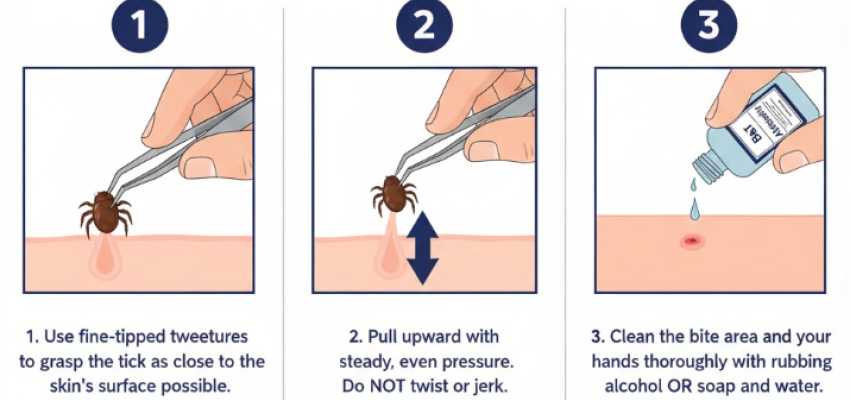
- Remove it promptly using fine-tipped tweezers, grasping as close to the skin as possible and pulling upward with steady, even pressure.
- Clean the bite area with soap and water or rubbing alcohol.
- Monitor for symptoms over the next few weeks (fever, rash, fatigue) and see a doctor if any appear.
- You can save the tick in a sealed bag with the date written on it for identification if symptoms develop.
Ticks in North Carolina carry diseases that can seriously affect your health. Awareness, prevention, and prompt action are your best defense. For expert tick control and removal, contact B&T Pest Control to protect your family and pets and enjoy the outdoors safely.