The Most Dangerous Stinging Insects in Eastern North Carolina — And How to Protect Your Home
Need Same Day Service? We Can Help.
Call Us Now at 910-329-1337.
Warm, humid summers make Eastern North Carolina a great place to enjoy the outdoors — but they also bring a hidden hazard: stinging insects. From yellowjackets to hornets and carpenter bees, these pests can turn a backyard barbecue or a day on the deck into a painful encounter.
At B&T Pest Control, based in Holly Ridge, NC, we’ve been helping homeowners across Eastern NC stay safe from pests since 1982. In this guide, we’ll explore the worst stinging insects in the region, how to identify them, and expert strategies for keeping your home and family protected.
Why Stinging Insects Are a Serious Concern
Even one sting can be painful — and multiple stings from aggressive species like yellowjackets or bald-faced hornets can be dangerous. For individuals with allergies, stings can trigger anaphylaxis, a potentially life-threatening reaction.
Beyond health risks, stinging insects can also cause property damage, especially carpenter bees that bore into decks, railings, and fences. In Eastern NC’s warm, humid climate, these pests thrive and reproduce quickly, making early identification and prevention essential.
1. Yellowjackets: Eastern NC’s Most Aggressive Stingers
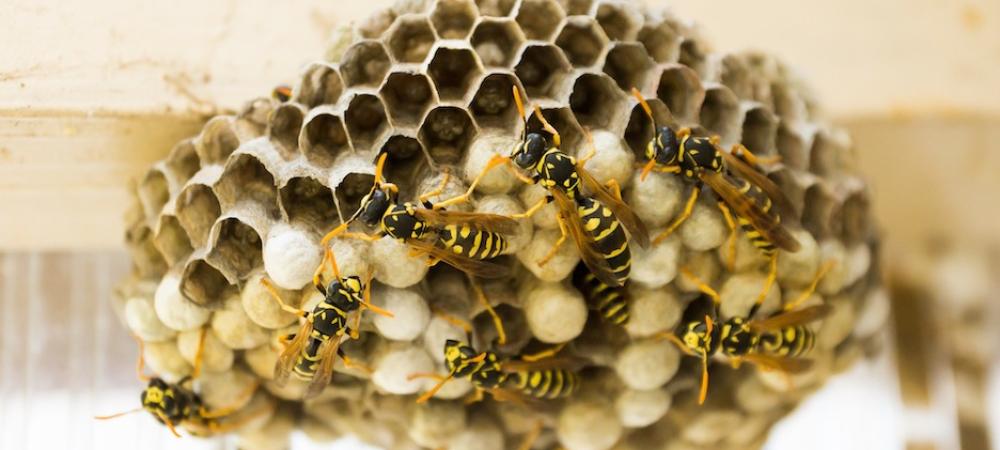
Yellowjackets are among the most dangerous stinging insects in the region. These black-and-yellow wasps build hidden colonies underground, in wall voids, or inside heavy vegetation.
- Behavior: Highly aggressive when disturbed, especially in late summer.
- Stings: Able to sting repeatedly; release alarm pheromones that trigger swarming.
Signs of Infestation
- Small holes in the ground with steady traffic
- Buzzing near trash bins or outdoor dining areas
- Activity around decks or siding
⚠️ Pro Tip: Never attempt to remove a yellowjacket nest yourself — swarms can cause dozens of stings within seconds.
2. Bald-Faced Hornets: Aggressive Nest Defenders
Despite the name, bald-faced hornets are a type of wasp. They’re easy to identify thanks to their large, enclosed paper nests and bold black-and-white coloring.
- Behavior: Extremely territorial and will defend nests aggressively.
- Habitat: Often found high in trees, shrubs, or building corners.
- Stings: Potent, painful, and capable of multiple attacks.
These hornets pose significant risks to children, pets, and anyone who unknowingly approaches their nest.
3. Paper Wasps: Common Porch Invaders
Paper wasps frequently build umbrella-shaped nests under porch ceilings, eaves, and light fixtures. They’re less aggressive than yellowjackets but will sting if threatened.
- Signs: Small, papery nests under decks, railings, porch ceilings, and outdoor fixtures.
- Stings: Painful and commonly cause swelling and itching.
Because they nest so close to human activity, paper wasps are one of the most common nuisance stingers across Eastern NC.
4. Carpenter Bees: Silent Structural Threats
Carpenter bees are generally solitary and less aggressive, but they pose a major threat to wood structures.
- Damage: They bore perfectly round holes into untreated or weathered wood to lay eggs. Over time, repeated nesting can weaken decks, railings, fences, and even home siding.
Signs of Activity
- Round holes in wood
- Piles of sawdust beneath railings or decks
- Buzzing around wooden structures in spring and summer
While not a major stinging threat, they’re a serious structural concern.
How Stinging Insects Enter Your Home
Even a clean yard can attract stinging insects. They’re drawn to:
- Open trash or compost bins
- Sugary drinks, food scraps, or pet food
- Bright colors and floral scents
- Untreated or unpainted wood (carpenter bees)
- Covered spaces such as eaves, decks, and sheds
Once they find a reliable food source or nesting site, they often return year after year.
Can You Handle a Stinging Insect Problem Yourself?
DIY nest removal is extremely risky. Most nests are larger, more populated, and more aggressive than they appear. Disturbing one can provoke swarming, resulting in multiple stings or severe allergic reactions.
Professionals Use:
- Protective safety gear
- Specialized equipment
- Targeted insecticides that penetrate the entire colony
- Safe removal and long-term prevention methods
At B&T Pest Control in Holly Ridge, we safely remove stinging insects across Eastern NC, including Wilmington, Jacksonville, and New Bern. Our PestGuard program also offers year-round prevention.
Prevention Tips for Eastern NC Homeowners
- Keep trash and compost bins sealed
- Avoid leaving food or drinks outside
- Inspect eaves, decks, and railings for early nest formation
- Treat or paint exposed wood to deter carpenter bees
- Schedule regular pest inspections to catch issues early
Protect Your Home with B&T Pest Control in North Carolina
Whether you're dealing with yellowjackets in your yard or hornets nesting in your trees, stinging insects in Eastern North Carolina pose real risks to your home and family.
Trust B&T Pest Control, headquartered in Holly Ridge, NC, for safe, effective stinging insect control. With decades of local experience and our year-round PestGuard program, your home stays protected year-round.
Contact B&T Pest Control today to schedule your service and enjoy a sting-free home and yard.